
Taiwan, Semiconductors, and U.S. Strategy

The sustainability of advanced technologies, unique manufacturing capabilities, global access, and robust supply chains is currently dependent on ill-defined, reckless, and volatile political and economic strategies. Ignoring the reality of the situation and hoping things will eventually work out isn’t a good plan. For decades, the world has relied on Taiwan Semiconductor (TSMC) to produce the most advanced chips, powering everything from smartphones to artificial intelligence. This dependence has created an unprecedented vulnerability: a single geopolitical flashpoint controls the lifeblood of the global digital economy. The challenges of advanced semiconductor technologies and manufacturing are among the most pressing and significant issues of this generation. The U.S. must acknowledge that a world dominated by a single supplier is unsustainable. It must invest not only in fabs but also in intellectual capital, allied coordination, and long-term technological leaps. There is no guarantee of success. The rivalry with China will intensify, and Taiwan will remain a flashpoint. But inaction is the greater risk. Hope may provide comfort, but only strategy, investment, and execution will ensure resilience. Hope is not a plan.
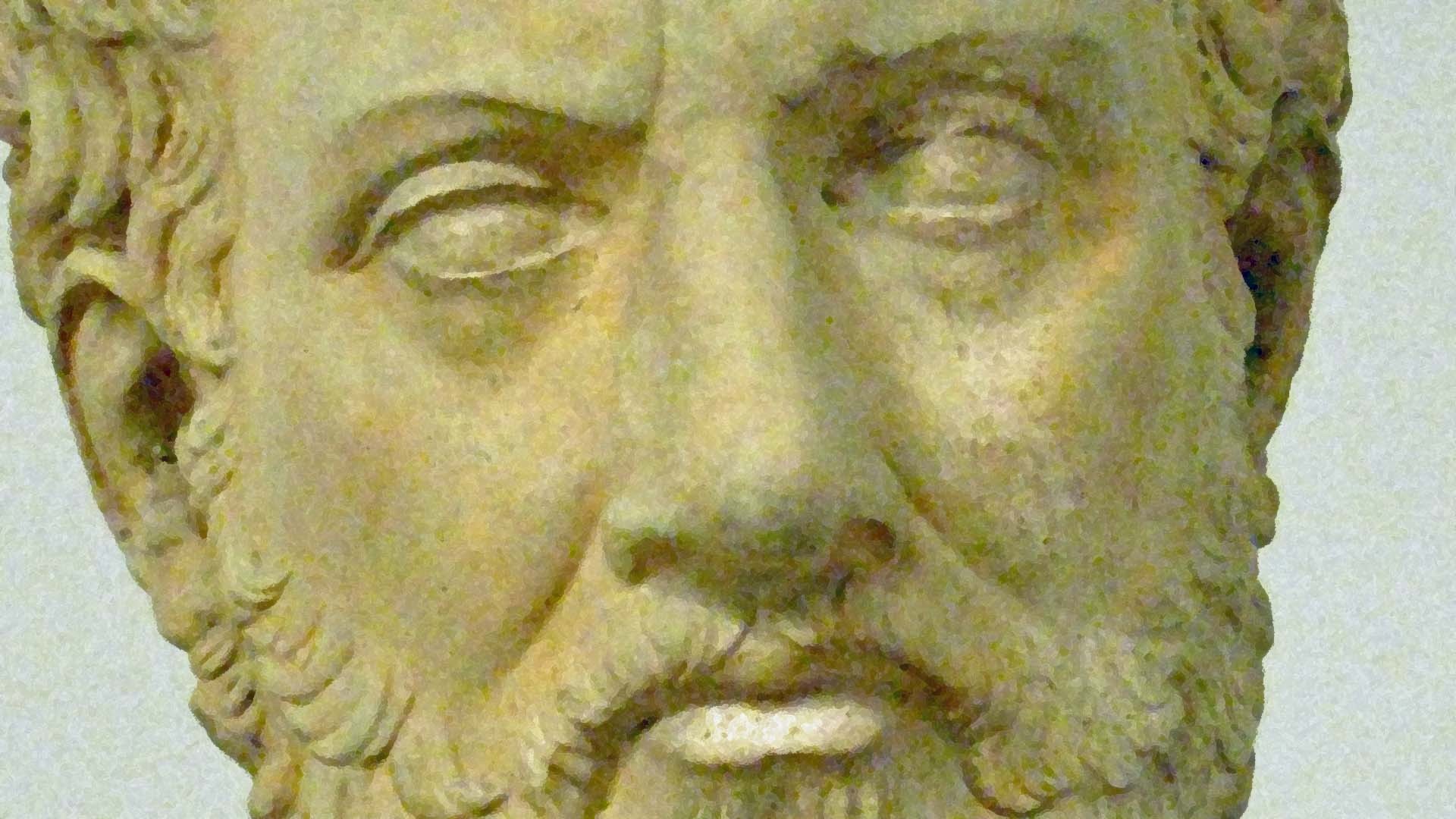
The Thucydides Trap

China, the US, and the Thucydides Trap

The “Thucydides trap” is where a rising nation-state – for Thucydides it was Athens – must eventually have a violent confrontation with the existing dominant nation-state – Sparta in his time. It is a zero-sum game where there can be only one dominant nation-state as the eventual winner – and it is usually assumed to be the rising nation-state outdoing the dominant nation-state.

Today, many “experts” (and I have great disdain for self-proclaimed experts) believe this is the circumstance between the US and China. We are headed toward violent confrontation where there can be only one winner. I read the book by Thucydides about the conflict between Athens and Sparta (I cannot be dispassionate here about that outcome because my family is from Sparta on my father’s side). But I fundamentally disagree with Thucydides’s historical descriptions being used as analysis by anyone to describe global events, especially those between the US and China.

The superficial and the real

Our political system is binary, and both sides are more extreme than reasonable. There seems little patience for the “reasonable middle” where ideas can be nuanced, refined, and complexity of public policy understood. Instead, our leaders are superficial and guide policy with slogans, not thought. People like AOC and Sanders are caricatures, influential yet ignorant and superficial, forming policies while clueless about what it takes to realistically solve even their most critical issues.

They have great ideas on how to distribute wealth but no ideas on how wealth is actually created. Their perspective is to take existing wealth and distribute it to others instead of developing an engine to help more people create wealth. An example of this kind of dysfunctional policy can be found in resource rich African nations. Instead of building industries using the abundant natural resources present as inputs generating real businesses, those resources are simply gathered and distributed – either to efficient businesses in other countries or among governmental cronies to their Swiss bank accounts. Either way, this attitude is disastrous for an economy ultimately. Wealth is created, and policies should free up the ability to create wealth within appropriate legal restrictions.