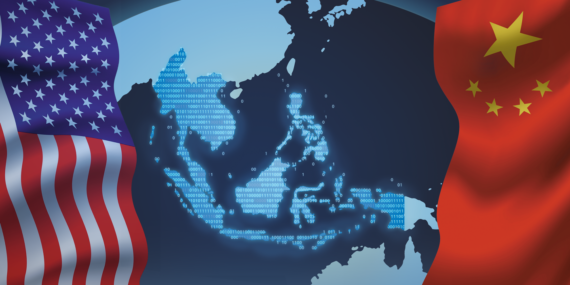
China, the US, and the Long Game
The United States and China play global economic and political chess games. There are numerous moves and defensive and offensive strategies, not only for trade but also for energy and natural resources (rare earths, among the most recent sources of discord), geopolitics (Russia, Ukraine, Iran, and the Middle East generally), technology (Taiwan and AI), and global economic supremacy. It’s a long list, but China and the US drive the outcomes. Let’s be clear, Apple designed the iPhone, but it was China’s manufacturing workforce that made it a global phenomenon. China’s millions of engineers and factory workers accumulate practical hands-on knowledge from experience that cannot be easily transferred. This sustainable advantage creates new industries, including electric vehicles, drones, and alternative energy, with world-leading expertise. In the meantime, America’s engineering expertise has been hollowed out. It is naïve to imagine wrestling China back to the past. The project, now, is to contest its moral vision of the future. Connected, collaborative engagement is the only practical way. China has come a long way, and its trajectory cannot be ignored or dismissed. The U.S. and China will be much better off from this more enlightened, realistic perspective.