Technological, geopolitical, and capital transformation are interconnected, with unprecedented impacts on a globally connected, directly entangled economic and geopolitical world. Choices are simultaneously investment decisions, national security decisions, and civilizational bets on which technological architecture will define the next century.
Understanding them requires insightful economic, strategic, and institutional thinking. More than ever, it requires intellectual courage and patience with complexity.
Albert Camus’s warning from nearly 80 years ago, that humanity is subordinate to abstraction, people are replaced by calculations, and the willingness to accept suffering as an administrative variable persists. We have industrialized the human crisis. We are at an inflection point where the consequences of our choices, both good and bad, will arrive faster, hit harder, and spread more widely than any prior moment in history. We have the proven capacity to recover from previous crisis. The question is whether the next crises potentially makes recovery impossible.
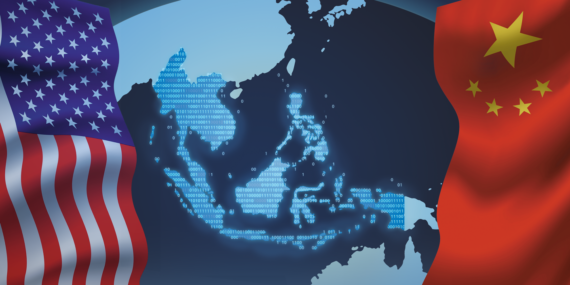
The global investment landscape has reached a structural inflection point. Geopolitical realignments, industrial policy, and national security concerns are reshaping the era of frictionless globalization. At the center of this transformation is the intensifying strategic competition between the United States and China.
The US is acting belligerently toward China in trade negotiations, threatening exorbitant tariff rates and trying to build walls around China’s international trade activity. All this may be a high-volume attempt to bring China to the table to strike a better trade arrangement. While this tactic is unprecedented, we may only be in the third inning of a nine-inning game. The current geopolitical and economic transition is both a challenge and a multi-decade opportunity. Capital will increasingly flow to regions that demonstrate policy consistency, innovation capacity, and demographic vibrancy. Strategic sectors such as AI, defense, semiconductors, energy, digital infrastructure, and cybersecurity will drive private and public investment.
Embracing this new reality of regional diversification, thematic depth, and geopolitical foresight will position participants to thrive.
As multipolarity replaces global uniformity, success lies with active, strategic alignment with the forces shaping the next economic era.
The convergence of volatile geopolitics fragmented and unpredictable markets, disruptive technologies, and unique opportunities.
Understanding geopolitical issues, developing innovative and insightful investment strategies, and navigating political and economic volatility are now essential to achieving investment success.
While most of Europe and the United States suffer sweltering heat, darkening economic skies and bitter winter of discontent are looming. Threats to the world economy are chilling. Rising interest rates are slowing activity for discretionary spending while rising prices for nondiscretionary spending are also slowing economic activity. It would be miraculous if the compounding of both effects would not lead to a recession in both Europe and the US. China’s growth has stalled. The Ukraine conflict will resolve itself to the West’s dramatic disadvantage and the West seems to be willing to let it happen – much to each economy’s long-term disadvantage. Don’t count on anything miraculous.